

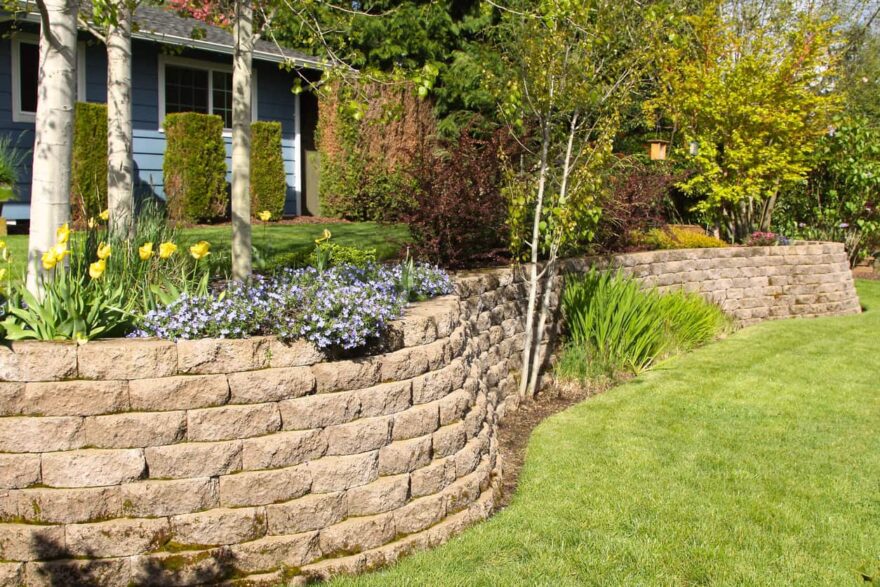
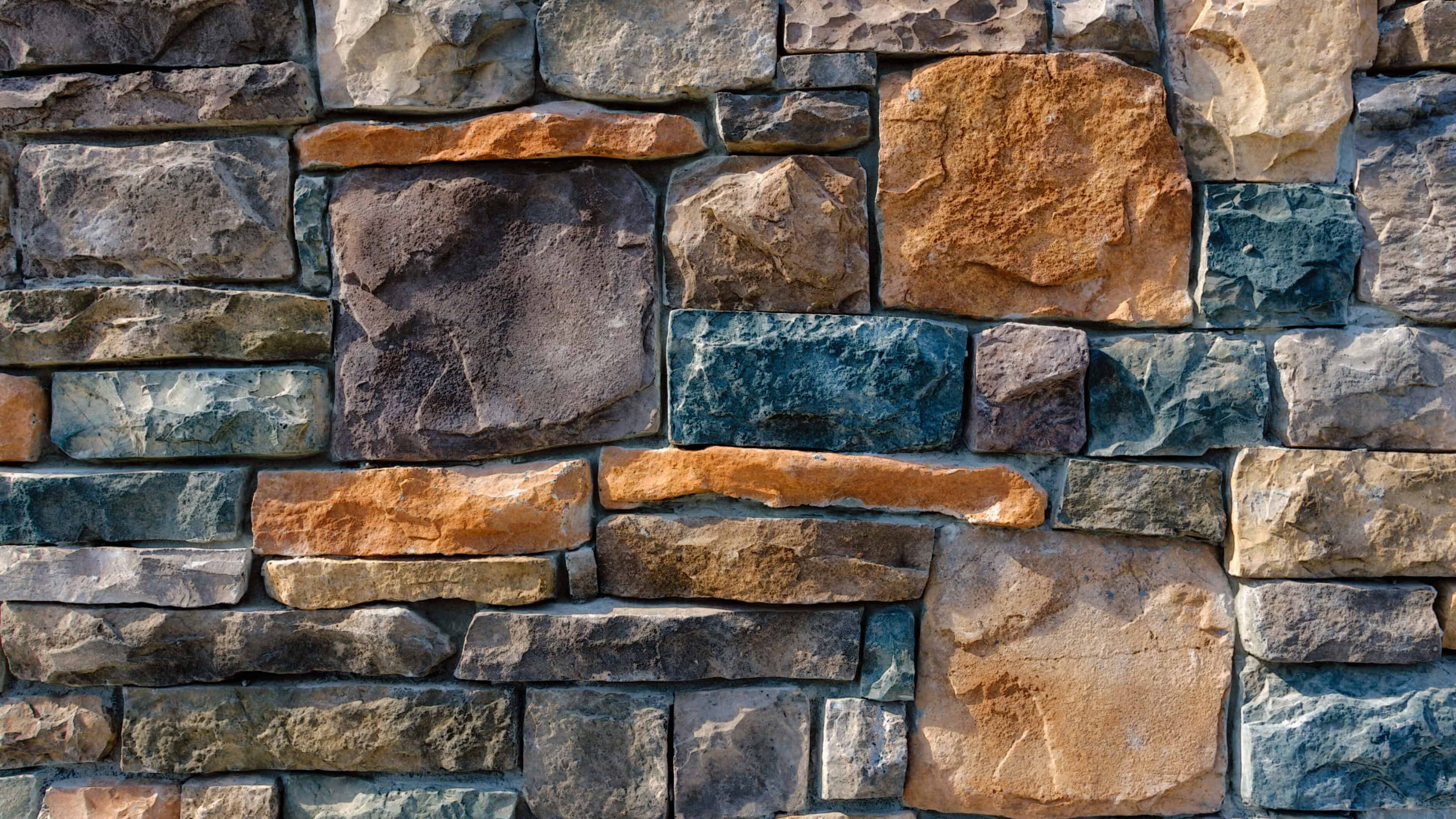
Retaining walls, as we know, are a solid structure that protects, holds, and retains soil behind it. Mostly we use concrete blocks, treated timbers, poured concrete, rocks/boulders for retaining walls. The longevity of the retaining wall is decided by the material we use.
Retaining walls are designed in such a way that the sloped exterior space turns into an eye-catching landscape design that is not only functional but also provides the necessary support. The size of the retaining wall depends upon the soil, the region, and the slope level of the ground.
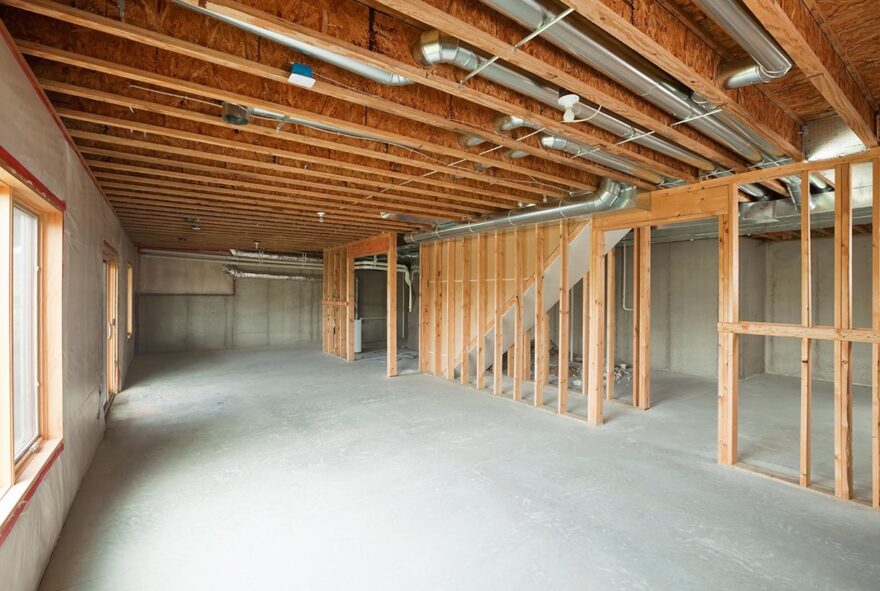

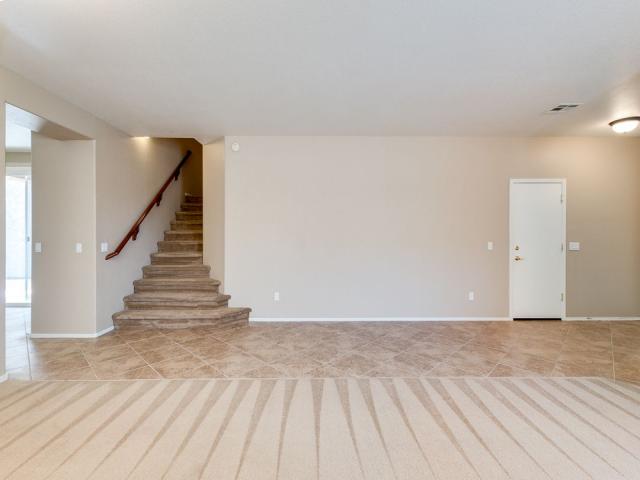
 Modern homes which consist of a large yard usually have a walkout basement that opens up at the exteriors of their property. This structure is also known as daylight basement and is generally situated on a slope with some part of the floor above the ground. A door and a staircase is installed for leading the way outside.
 Retaining walls are highly effective in enhancing the curb appeal and value of a landscape. They offer many worthy benefits and are useful in protecting the integrity of a garden. Since excessive rainfall can wash away all the fragile seeds and top soil, maintaining a yard remains no more an easy task. To make your garden blossom all around the year despite of the weather mess, one should opt for installing retaining walls.


